
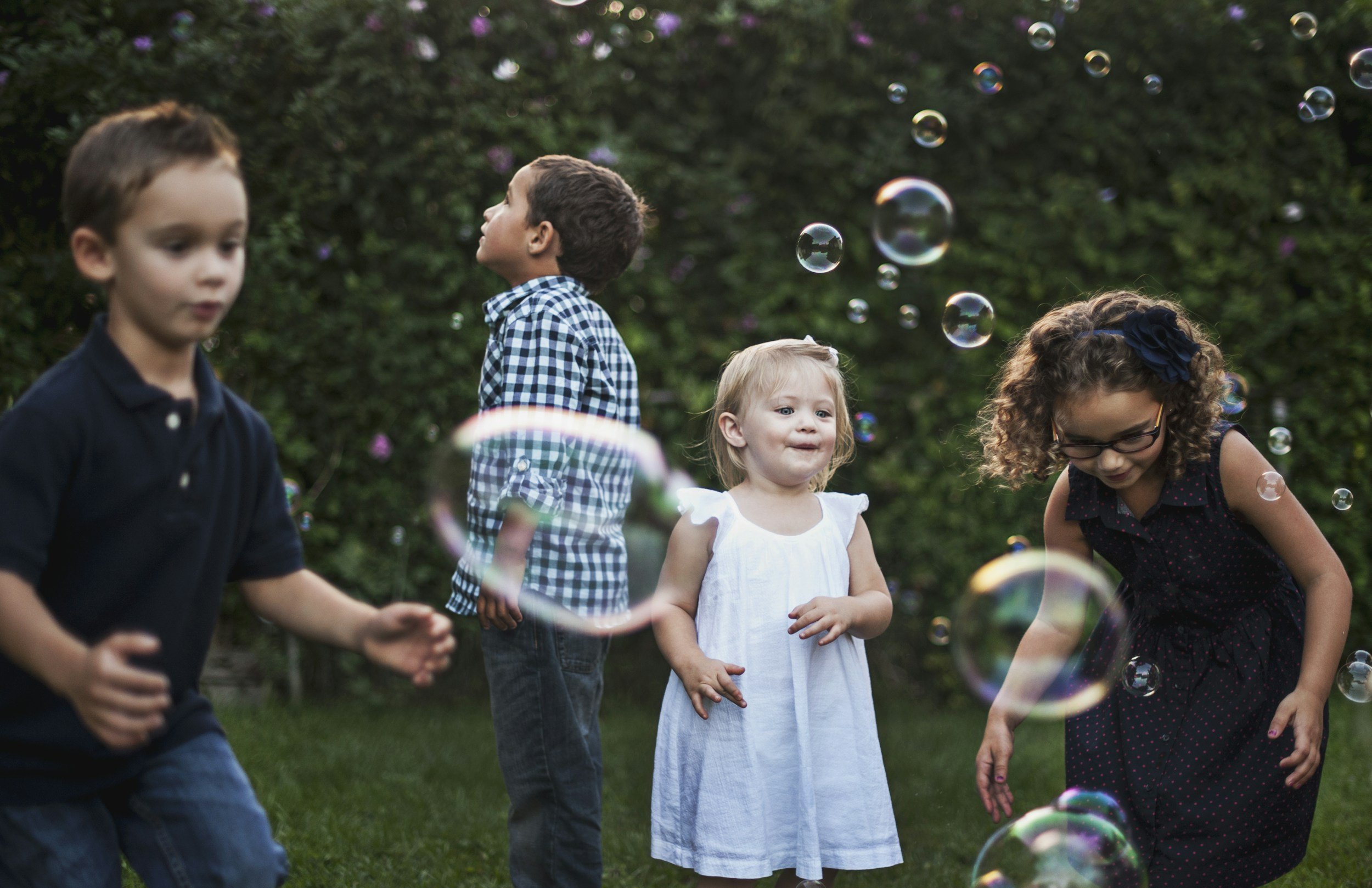
Chapter 4: Learning Through Play And Language
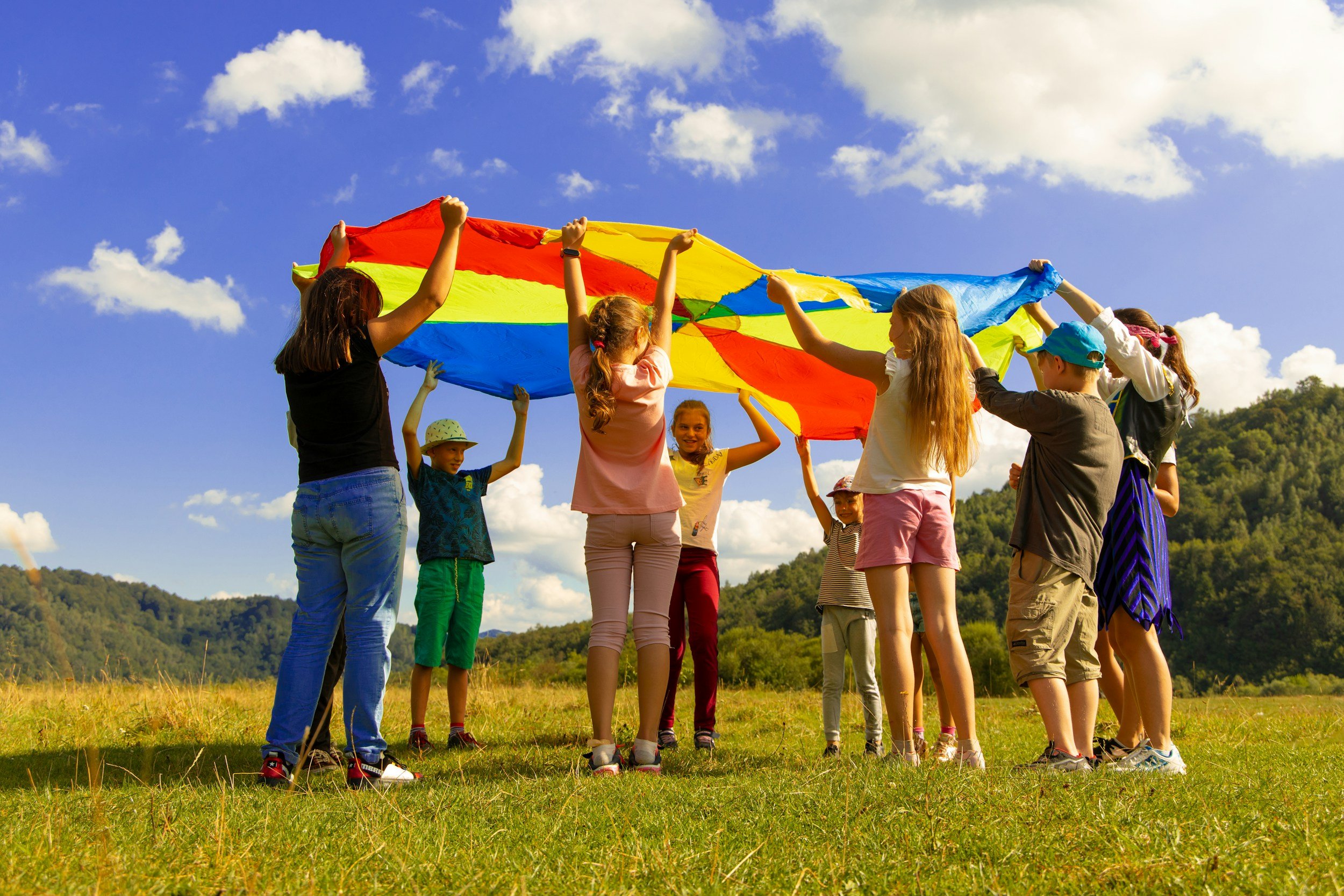
What’s in this Chapter?
The Positives of Play
Choosing Appropriate Toys
Enhancing Development
Child Friendly Excursions
Fun Recipes
Language Development
Music For Kids
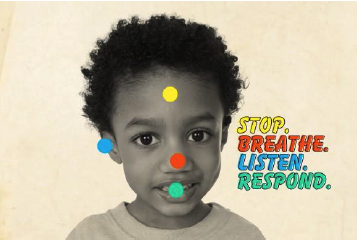
Moments of Empathy
We may not always have the energy to engage with our children in play or conversation but it is critical for their development and it strengthens our relationship with them.
When we understand and encourage our child’s curiosity, imagination and joy, we are getting behind his eyes and heart to see and feel his needs.
Listening to our children with full attention encourages our children to keep talking, developing the necessary language skills, imagination and confidence needed to succeed in life.
Children love other children. Empathize with this need and do your best to set up playdates or provide them with opportunities to build friendships early in their lives.
Introduction
Babies grow and change in wonderful ways every day, quickly blossoming from peaceful newborns into curious, active little explorers eager to discover the world around them. Play is their language, their way of learning, connecting, and expressing joy, and they naturally invite you to join in, turning everyday moments into meaningful shared experiences.
Playtime is full of magic and warmth, creating some of the most treasured memories of childhood. From grasping their first tiny rattle to stacking blocks, zooming down slides, or laughing with friends, play is the heart of childhood; it helps children understand themselves, others, and the world they live in.
Play can be beautifully simple, such as singing lullabies, splashing in puddles, or reading stories at the library. It can also be wonderfully imaginative, like building fantastical Lego cities or pretending to be teachers, artists, or astronauts. Whether it’s a quiet moment between you and your child or a lively game with friends, play invites connection, creativity, and endless learning.
Dr. Stuart Brown, a psychiatrist and founder of the National Institute for Play, conducted research on the science of play that underscores the crucial role play has in human development and well-being. Dr. Brown's work emphasizes that play is not just frivolous fun; it's essential for healthy brain development, social-emotional learning, and overall well-being across the lifespan.
Play is closely intertwined with the development of language, one of the most remarkable achievements of childhood. Each day that you play with your child, talk to your child, and read with your child, the complexities of language are slowly unraveled until the day finally comes when your once-cooing baby is speaking in fully formed sentences!
For many children, your Family Hui will be their first experience into the social dimensions of play. It’s a regular meeting ground to grow comfortable with one another and a chance to build long-term friendships between both children and parents. We encourage you to continue meeting and playing together.
Embracing the Protective Factors
Reflection: Every Temperament, Every Strength
Take a moment to reflect on your child’s temperament, and your own. What traits do you share? Where do you differ? How have those similarities or differences shaped your relationship?
Recognizing and responding to your child’s unique style isn’t always easy. But each time you pause, breathe, and adjust your approach, you’re practicing Parental Resilience, such as strengthening your ability to navigate stress and bounce back from challenges.
This reflection deepens your Knowledge of Parenting and Child Development, helping you better understand the “why” behind your child’s behavior. Responding with curiosity and connection builds Social and Emotional Competence in your child, teaching them that all feelings are okay and manageable.
When you reach out for support, or offer it to others in your Hui, you’re nurturing Social Connections, a protective factor that reminds us we don’t have to parent alone. And by creating consistent, nurturing routines where your child feels seen, fed, and safe, you’re helping meet their Concrete Support in Times of Need, which strengthens the stability and wellbeing of your whole family.
There is no “perfect” temperament, only the opportunity to truly see, understand, and love your child and yourself as you are. That kind of understanding builds a family rooted in resilience, connection, and hope.
-
Through play, children learn about the world and themselves. Play is your child’s ‘work’. For young babies, cuddling and singing help build bonds. Toys that make noise invite sensory exploration. Reading together supports early language development. Dropping objects into containers strengthens fine motor skills and problem-solving.
In toddlers, play builds imagination. A child may transform a block into a boat or experiment with different roles, from superhero or daddy to policeman or princess. Playing promotes social skills as children move from parallel play to interacting with others, learning to negotiate, cooperate, and share. Play also advances physical development. Running, throwing, and pedaling strengthen large motor skills and help children release stress and sensory overload.
Today, many families are navigating the role of screens in daily life. While technology can be helpful at times, young children learn best through real-life play, movement, and live conversation. Face-to-face interactions, shared laughter, and hands-on exploration offer rich sensory and emotional experiences that screens simply cannot replicate. Every time you talk story, sing together, or follow your child’s curiosity in the real world, you are supporting brain development, language growth, and connection in powerful ways.
-
Through each stage of early development, you are your child’s number one playmate. Play strengthens attachment and emotional bonding. Children learn, “You see me. You enjoy being with me. I matter.” These experiences support self-esteem, emotional regulation, and lay the foundation for healthy relationships throughout life.
Making time to slow down and fully engage in your child’s world is one of the most meaningful gifts you can give, for both of you. While juggling daily responsibilities can feel challenging, especially with multiple children or a busy schedule, even small moments of focused, screen-free play create lasting connections and joyful memories. These moments are opportunities for serve and return, the back-and-forth interactions that support early brain development and communication skills.
When your child “serves” by pointing to a bird, babbling, or showing you a toy, and you “return” with words, eye contact, or a smile, you are helping them build trust and emotional understanding. A simple “You see the bird? Wow, it’s flying so fast!” or mimicking their laughter during play tells your child: I see you. I hear you. You matter.
Play can be a powerful way for children and parents to reconnect, regulate, and grow together. When children play with their parents, they develop creativity and confidence. It builds self-esteem when you show that what is fun and important to them is also fun and important to you.
For parents, joining in play offers a chance to slow down and see the world through your child’s eyes, full of curiosity and wonder. In the midst of life’s responsibilities, play can be a gentle reminder of connection, and even a source of joy and restoration for both of you.
-
As children enter their ones, twos, and threes, it grows increasingly important for them to play with children their own age. Peer play can be joyful, energizing, and full of creativity, but it can also feel overwhelming at times. As children learn how to navigate relationships, it’s common to see big feelings and behaviors like grabbing, hitting, or teasing. These moments aren’t signs of “bad behavior,” they’re part of how children practice social skills, test boundaries, and express needs they may not yet have words for.
Dr. T. Barry Brazelton describes older toddlers at play as: “All three-year-olds tease each other. They push each other to limits that they dare not test themselves. They make each other angry. They make each other cry. They can’t wait to see each other. They hug each other, ferociously locking in each other’s arms and legs. They learn from each other the safe ways and the dangerous ways to try out their new and complex feelings.”
For adults, all this play, and the constant redirection, explanations that come with it, can be overwhelming and stressful, especially if play is not something you like to do. Reflecting on your own early experiences of play may help you to understand if play is something that comes easy or is difficult for you. But with lots of guidance and practice, your child will explore a full range of behaviors and gain a surer sense of herself. And they will slowly learn the essential but difficult skills of sharing and empathy, invaluable lessons for their future growth.
Choosing Safe Toys
If play is the work of children, then toys can be their tools. In addition to finding fun and age-appropriate toys, make sure that the toys you select for your child are also safe.
Check your child’s toys to make sure that there are no sharp edges or points that can cut or puncture.
Watch out for small parts that can break off and be swallowed.
Check the eyes and noses of stuffed animals and dolls to ensure that they won’t pull off.
Avoid latex balloons. They can be a choking and suffocation hazard for young children.
Stay away from toys with flying objects that can injure eyes.
Age-Appropriate Toys ( Prepared By The Toy Industry Foundation)
The Positives of Play
Birth to 6 Months
|
6 Months to 1 Year
|
1 to 2 Years
|
2 to 3 Years
|
Toys To Enhance Your Child’s Development
Learning Toys For Social And Language Development
| Toy/Object | Strategy | Example |
|---|---|---|
| Toy cars, trucks, boats, trains | Narrate play to build vocabulary and storytelling | “Your truck is going so fast! Where is it going next?” |
| Toy animals with barn, fence, tractor | Create pretend scenarios, use animal sounds and roles | “The cow is going to sleep in the barn now. Can you help tuck it in?” |
| Dolls or stuffed animals with clothes | Model caregiving and emotional expression | “Let’s wrap the bear in a blanket—he looks cold and sleepy.” |
| Housekeeping toys | Pretend play for routines and role modeling | “Can you stir the soup and set the table for dinner?” |
| Toy telephone | Encourage turn-taking and early conversations | “Ring ring! Hello? How are you today?” |
| Musical CDs or tapes | Support rhythm, listening, and language development | Sing along with a familiar nursery rhyme or clap to the beat |
| Books (variety of types) | Build vocabulary, knowledge, and attention span | “Let’s find the red truck on this page. What sound does it make?” |
Learning Toys For The Body And Mind
| Toy/Object | Strategy | Example |
|---|---|---|
| Riding toys | Promote gross motor skills and spatial awareness | “Can you ride to the tree and back? Let’s race!” |
| Balls | Practice coordination and turn-taking | “Roll the ball to me—now I’ll roll it to you!” |
| Push toys | Build balance and strength | “Let’s push the stroller to the park!” |
| Pull toys | Encourage movement and persistence | “Can you pull the wagon to the kitchen and fill it with blocks?” |
| Swing | Support balance and calming sensory input | “Wheee! You’re flying! Want to go higher or lower?” |
| Bed or trampoline | Outlet for energy and development of rhythm and timing | “Jump up and down 10 times—let’s count together!” |
| Stairs, ramps, climbing structures | Build confidence, motor planning, and resilience | “You climbed all the way to the top—look at you go!” |
| Fields, hills | Promote running, balance, and physical freedom | “Can you run to that tree and back? Let’s pretend we’re airplanes!” |
Learning Toys For The Hand And Mind
| Toy/Object | Strategy | Example |
|---|---|---|
| Water (cups, sponge, baster, etc.) | Sensory play, fine motor skills, cause and effect | “What happens if you squeeze the sponge into the bowl?” |
| Sand (funnel, spoon, shaker, etc.) | Experimentation and tactile learning | “Can you fill the cup with sand using the spoon?” |
| Playdough (roller, cutter) | Strengthens hand muscles and creativity | “Let’s make a snake! Can you roll it long and thin?” |
| Bubbles | Eye-tracking, breath control, joy | “Can you pop all the bubbles before they hit the ground?” |
| Purse or bag to fill or carry | Develop object permanence and motor planning | “What can you pack in your bag for our adventure?” |
| Drawing with crayons or pencils | Early writing, self-expression | “Draw your favorite animal. What color will you use for it?” |
| Sidewalk chalk | Outdoor creativity, gross and fine motor coordination | “Can you draw a circle and jump inside it?” |
| Blocks | Spatial reasoning, building focus | “Let’s build a tower. How high can it go before it falls?” |
| Duplo, Lego | Fine motor control, patterning, imagination | “Can you build a house with a door and a roof?” |
| Ring stack | Problem solving and hand-eye coordination | “What size goes next? Let’s stack them in order.” |
| Nesting cups | Size comparison and pretend play | “Which cup fits inside the other? Let’s make a tower too!” |
| Puzzles | Matching, patience, visual thinking | “Where does this piece go? Can you find the corner?” |
| Shape sorter | Shape and color recognition, problem solving | “Where does the triangle fit? Let’s try them all!” |
| Beads to string | Hand-eye coordination, concentration | “Can you make a pattern with the beads—red, blue, red?” |
| Cause-and-effect toys | Teach sequencing and anticipation | “What happens when you push the button? Surprise!” |
Safe, age-appropriate toys are important, but you don’t need a house full of the newest gadgets. A spoon becomes a drumstick, a blanket becomes a fort, and a cardboard tube becomes a telescope when you’re playing together. The key is how you use what you have: narrating your child’s actions, asking questions, joining their world. With your interaction and presence, even the simplest object becomes a powerful tool for creativity, communication, and joyful discovery.
The magic of play comes from the back-and-forth between you and your child, not from the toys themselves. While flashy or trendy toys can grab attention, it’s the shared moments between you and your child that truly support learning, bonding, and development. Open-ended play materials—like wooden blocks, scarves, measuring cups, cardboard boxes, or even a set of plastic containers—can become anything your child imagines when guided by curiosity and connection.
Building HOPE: Healthy Outcomes from (Positive) Childhood Experiences
Play is more than just fun, it’s how children learn, connect, and grow. Whether you’re singing a song, cooking together, or going on a mini adventure, these joyful experiences nurture your child’s development in powerful ways. Through the HOPE Building Blocks, everyday moments become opportunities to build strong foundations for lifelong learning and well-being.
Relationships: Strengthen your connection with your child by giving your full attention during play and conversation. Share stories from your own childhood, laugh together, and listen closely to what your child shares. These moments of connection build trust and a sense of belonging.
Environment: Choose toys and activities that are safe, age-appropriate, and open-ended. A few blocks, some measuring cups, or a favorite book can spark hours of creativity and discovery.
Engagement: Explore your world together. Take a walk to the park, visit the library, or go on a “color hunt” at the grocery store. These simple excursions support curiosity, bonding, and learning through shared experiences.
Emotional Growth: Use everyday activities like mixing ingredients or listening to music as opportunities to talk about feelings, ask questions, and celebrate effort. Saying, “You figured that out all by yourself!” builds self-esteem and emotional awareness.
Child Friendly Excursions in Hawaii
Hawai’i is blessed with year-round temperate climates. Even if you’re living in a small apartment in the city, you can nearly always escape to the beach or a park for fresh air, green grass, and warm water. Here are a few suggestions offered by Family Hui parents for getting out and about with the kids:
“Any type of large park. Hickam Beach is awesome and very clean, family friendly. Ala Moana Beach Park, Kō Olina lagoons (when they're not packed). Swimming pools, Kakaʻako Park, Kūhiō Beach Park, the North Shore have some wonderful places, as well as Bellows Beach and Kailua too. So many things to do and places to go you can't be bored in Hawai’i. Ice Skating at the Ice Palace (they accommodate toddlers just learning).”
“We love going to the beaches, we haven’t found one we didn’t like. Since we have only been here for eight months, there is a lot we have to explore. We recently hiked Maunawili Trail in a backpack and our toddler walking with us. He did very well the entire hike, and we only had to carry him on our shoulders towards the end of the hike.”
“The Waikīkī Aquarium is so much fun. All the fish are great for the kids to watch. There is also a touch pool. It’s a small aquarium so it’s not difficult to do with children with short attention spans.”
“The little Makapuʻu tide pools, with their sandy bottom wading pools and "waterfalls" when water moves through the rocks, are a favorite for many of my friends with young children. It is located across from Sea Life Park, just past Makapuʻu Point (coming from Hawai’i Kai). Now that my son is older, he also enjoys looking for critters on the rocks. There is no shade by the water so bring an umbrella.”
“As a family we love to go to Haleiwa on the North Shore. Right off the Kamehameha highway there is a beach that has no waves so it’s great for the kids. There is also a bathroom and playground. My husband always takes my son for a walk on the rocks and they see crabs, blow fish, turtles, etc. When we go home we always stop in the town for our favorite shaved ice or ice cream.”
“The Honolulu Zoo is great for kids of all ages. We started taking my son just before he turned two. He’s now 4-1/2 and he still loves it. There is always lots to do and see. There is a play ground, petting zoo, and all the regular zoo exhibits. Call zoo information, they sometimes have activities planned for toddlers on certain days. We buy an annual pass each year so we don’t feel like we have to see every exhibit each time we come. We know we’ll be back if we miss something.”
“Beaching at Ko Olina, yoga at Yoga Under the Palms in Kaimuki and Kailua, Kidsports on Hickam for those military members, Kailua Beach Park, awesome sand although kind of sticky.”
“Check out the museums. I started taking my son to the Children’s Discovery Center before he was 2. The Hawai'i Keiki Museum connects children to islands through hands-on exploration of Science, Technology, Engineering, Art, and Math (STEAM). Then we went to the Bishop Museum and Honolulu Academy of Arts starting between 2-1/2 and 4. Many of the museums will have child- centered exhibits. Call ahead and find out when they will have child-friendly activities.”
“Ko Olina we love because of the shaded areas in the grass off the sand and the lack of waves so the baby can go in the water in an inner tube without drifting or being overcome by a wave.”
“Bishop Museum's family days. This is good for the 2-1/2 or older crowd. The family days have lots of bouncers, craft activities, special booths, and the regular exhibits. It’s so much fun. We buy an annual pass each year so all of the family days are free admission.”
“Keiki time at the malls. Pearlridge has their Keiki mornings on Tuesday. Kahala has their Keiki mornings on Wednesday. It’s free kids’ entertainment! It gets us out of the house to do something free. We usually end up staying for lunch and a little shopping. Check your local shopping center or mall to see if they have keiki time.”
For more information about water safety in Hawai’i, please refer to Chapter 8 on Health, Wellness, and Safety.
Language Development
From a baby’s very first coos to a toddler’s inquisitive “whys,” language development is one of the most powerful tools children have for making sense of the world. But learning to communicate is about more than just words, it’s about connection. When caregivers talk, sing, read, and respond to their keiki, they are not just building vocabulary, they are nurturing brain development, emotional safety, and a deep sense of belonging.
Research from Zero to Three reminds us that babies learn language best through everyday interactions, talking story, laughing, playing, and sharing books together, not through pressure or formal teaching. Strong language skills grow from warm, responsive relationships where children feel seen, heard, and valued.
Language development begins at birth, and the most important tool is you.
-
Children begin their journey into language even before birth. While still in the womb, babies can hear and begin recognizing familiar sounds, especially a caregiver’s voice. After birth, their brains are already busy sorting sounds, noticing rhythms, and learning the patterns of speech.
Zero to Three highlights that early communication is built through back-and-forth interaction, sometimes called serve and return. When your baby coos, looks at you, or reaches out, and you respond with words, eye contact, or a smile, you are teaching them that communication matters. These small moments lay the foundation for language, relationships, and emotional regulation.
You may notice yourself naturally using a warm, sing-song tone with your baby. This style of speech, often called parentese, actually helps babies learn language by making sounds and patterns easier to hear. The takeaway? Keep talking, singing, and narrating your day. Your child is always listening and learning.
-
Some families find that using simple signs alongside spoken words can support early communication. Baby sign language does not replace speech, instead, it gives babies another way to express themselves while spoken language is still developing. Signs like “more,” “milk,” or “all done” can reduce frustration and help children feel understood.
When used in a playful, responsive way, signs can strengthen connection and encourage back-and-forth communication. The key is to pair signs with spoken words and follow your child’s lead, keeping interactions joyful and pressure-free. Every child develops differently, some love signing, while others prefer gestures, sounds, or words, and all are meaningful forms of communication. You can learn more about at the Baby Sign Language website.
Typical Language Development in Most Children
(According to Zero to Three)
|
Newborn (0–3 Months)
Babies listen and respond to voices and sounds long before they use words. Crying, cooing, and facial expressions are their first conversations. Ways to Support Your Child’s Communication
If your 3-month-old does not respond to voices or sounds. |
3–8 Months
Babies experiment with sounds, respond to tone of voice, and begin playful back-and-forth interactions. Ways to Support Communication
If your baby is not making several sounds or does not respond to familiar voices. |
|
8–12 Months
Babies begin understanding simple words and gestures. Pointing, shared attention, and looking where you look all support language growth. Ways to Support Communication
If your baby does not look at people who talk to them or rarely uses gestures to communicate. |
12–18 Months
First words begin to emerge. Babies understand far more than they can say. Ways to Support Communication
If your 18-month-old says very few words or rarely tries to communicate. |
|
18–24 Months
Toddlers begin combining words and learning language quickly. Ways to Support Communication
If your child cannot follow simple requests or rarely combines words. |
24–36 Months
Vocabulary grows rapidly. Toddlers begin storytelling, asking questions, and engaging in pretend play. Ways to Support Communication
If your 2-year-old does not respond to simple questions or rarely tries to communicate. |
A Gentle Reminder for Parents
Language grows in relationships through everyday interactions. Zero to Three emphasizes that young children do not need formal teaching or pressure to read early, they learn best through warm, playful interactions woven into everyday life. Talking story, singing, reading, and simply being present with your child are powerful ways to support development. Even small moments of connection add up over time.
3-4 Years
Young preschoolers make comments and requests, and tell others what to do. They can talk about things that happened and make up stories. They listen attentively to stories and retell stories themselves. They enjoy books that tell about real things, as well as make-believe. They may revert to toddler behavior when feeling upset or shy. They make shapes such as circles and squares and pretend to write the way they have seen adults write.
Ways to Support Your Child’s Communication: Preschoolers love to talk about their world! They’re making up stories, expressing emotions, and using language to solve problems and ask “why.”
Invite storytelling: “What happened when you went to the park?”[Text Wrapping Break]Use role-play or puppets to model conversations and problem-solving.
Encourage their curiosity: “Hmm, why do you think the leaves fall?”
Consider Talking To Your Pediatrician: If your 3-to-4-year-old is not using language freely, experimenting with sounds, or beginning to solve problems using words.
Language Development: Children Ages 4 to 5
By age 4 or 5, this foundation has blossomed. Children at this age are typically speaking in complex sentences, telling rich stories, and becoming increasingly skilled at understanding and expressing their thoughts and emotions. These language skills support their sense of safety, confidence, and ability to connect with others, and can even reduce frustration for both child and caregiver.
At this stage, four-year-olds enjoy telling personal stories, ask lots of questions, and are eager to talk about their ideas. They follow multi-step directions, understand figures of speech, and continue to refine their pronunciation. Their grasp of grammar grows stronger, and their vocabulary expands rapidly, although they may still stumble over less familiar words. These skills are shaped by frequent conversations, rich storytelling, and responsive caregiving.
Children this age are also developing early literacy skills. They become curious about letters, sounds, books, and writing. Many can recognize the alphabet, play with rhyming and beginning sounds, and "write" using a mix of real and invented spellings. They enjoy memorizing stories, turning pages, and pretending to read. Exposure to books and songs, access to writing materials, and being read to regularly all help strengthen this growth.
Consider Talking to Your Pediatrician: If your child seems to be struggling with speech, following directions, or maintaining conversations, it may be helpful to consult your pediatrician. Otherwise, keep singing, reading, rhyming, and talking because it’s through these everyday interactions that language, connection, and confidence grow.
Honoring All Learners
Every child learns and grows in their own unique way. In this chapter, we recognize that children bring a wide range of strengths, abilities, and ways of experiencing the world, including those who are neurodivergent or have developmental differences. Play and language may look different from child to child, and that’s not only okay, it’s expected and welcomed.
Whether a child learns best through movement, repetition, music, visuals, or hands-on exploration, we believe all forms of learning are valid and meaningful. Our goal is to offer ideas that are adaptable, respectful, and supportive of every child’s individual journey.
Activities For Parents And Children
| Age | Activities for Parents and Children |
|---|---|
| Newborn–3 Months |
LISTEN AND TALK TO YOUR BABY THROUGHOUT THE DAY.
|
| 3–8 Months |
TALK AND PLAY WITH YOUR BABY.
|
| 8–12 Months |
READ AND TELL STORIES WITH YOUR BABY EVERY DAY.
|
| 3–4 Years |
PROVIDE BOOKS IN ENGLISH AND IN YOUR FAMILY’S HOME LANGUAGE.
|
| 4–5 Years |
PREPARE YOUR CHILD FOR SCHOOL READINESS
See last chapter in Embracing ‘Ohana Notebook! |
Music For Kids
Even the youngest babies respond to music. Listening to music, lullabies, and songs helps infants attune to the rhythms and tones of speech. In general, lullabies soothe babies' sharp cries, while upbeat tunes can make them bounce with happiness. Play different types of music for your baby and notice how they respond!
Music professionals, such as those with Kindermusik, believe that music is also an excellent conductor for learning. It develops skills in the whole child—cognitive, physical, social, emotional, language, and musical. In fact, Kindermusik claims that children exposed to the arts for three hours a day, three times a week, for one full year are:
✓ 4 times more likely to be recognized for academic achievement
✓ 3 times more likely to be elected to class office
✓ 4 times more likely to participate in a math or science fair
Singing naturally slows down language, making it easier for babies to hear and process individual sounds. The repetition in songs helps build early word recognition and lays the foundation for language development. You don’t need to be a professional singer, your voice is your baby’s favorite sound. Humming lullabies, singing simple songs, shaking a tambourine, or blowing on a harmonica are all powerful ways to connect. Playing a variety of music at home, attending family-friendly concerts, and creating a music-rich environment supports your baby’s growing brain, and strengthens your bond through shared joy.
Great Music For Kids
Here are some family-friendly music options (reproduced from babycenter.com) that range from gentle lullabies to playful jams, featuring local Hawaiian artists, global sounds, and modern favorites that caregivers will enjoy too:
Hawai‘i Artists & Local Favorites
Nā Leo Pilimehana – Songs for the Keiki
This beloved trio brings soothing harmonies and Hawaiian classics to life with songs like “Pūpū Hinuhinu” and “Hawaiian Lullaby”—perfect for bedtime or quiet play.
Uncle Wayne and the Howling Dog Band
This local favorite blends catchy tunes with messages about kindness, resilience, and culture. Songs like “Do the Huli” and “Poi for Two” are fun, interactive, and made for dancing together.
Kupaoa – Na Mele no nā Pēpē (Songs for the Babies)
A sweet collection of Hawaiian language lullabies and playful songs, perfect for nurturing ʻŌlelo Hawaiʻi in young ears.
Kealiʻi Reichel – Kamahiwa: The Kealiʻi Reichel Collection
Not a children's album per se, but Reichel’s gentle voice and poetic mele are comforting for keiki and calming for caregivers. Great for creating a peaceful, grounded home environment.
Jazzabye, by Productunes
Help baby wind down after a long day with jazzy renditions of lullaby classics such as “Rock-a-Bye Baby,” “Mockingbird,” “Mary Had a Little Lamb,” “Ten Little Indians,” “London Bridge,” and more.
Good Morning, by CNI
Begin your child’s day with cheerful tunes specially arranged for infants and toddlers. The Good Morning album features songs sure to make baby smile, such as “Morning Has Broken,” “Here Comes the Sun,” and more.
For Crying Out Loud, by Rounder Kids
At your wits' end trying to calm a fussy baby? Try popping in a CD full of soothing, unlikely sounds, such as a maternal heartbeat, restaurant ambiance, a vacuum cleaner, windshield wipers and rain, waves on a beach, and a hairdryer.
The Planet Sleeps, by Sony Wonder
This must-have collection features traditional lullabies from the four corners of the earth.
The World Sings Goodnight, by Silver Wave Records
Another wonderful collection of lullabies from around the world, all sung by native speakers— and all very hummable.
Daddy Byes, by Imaginix
A wonderful cassette featuring lullabies sung by a man with sing-a-long songs that highlight daddy. It's full of traditional melodies—such as the "Mockingbird Song"—as well as some that are destined to become childhood favorites.
Listening to classical music can be a calm and enjoyable way to share moments of connection with your baby or young child. While no specific type of music has been proven to make children smarter on its own, gentle rhythms and melodies can create a soothing environment and invite opportunities for bonding. What matters most is not the composer, but the shared experience, singing along, swaying together, making eye contact, or simply relaxing side by side. Whether it’s Mozart, Hawaiian mele, or a favorite family song, music becomes meaningful when it is part of a warm, responsive relationship that helps your child feel safe, seen, and connected.
Creative Arts
As children grow, you may begin to notice new ways they express themselves through art, music, movement, and pretend play. These activities are not about talent or getting things “right.” Instead, they are ways children explore feelings, make sense of their experiences, and practice new ideas about the world around them. Through creative play, children build confidence, language, problem-solving skills, and emotional awareness, all while having fun.
Art, music, movement, and storytelling give young children safe ways to express big feelings they may not yet have words for. Creative play helps them process emotions and develop self-awareness. It encourages flexible thinking and experimentation, reminding children that there is no single “right” way to create. Activities like cutting, painting, dancing, and sculpting strengthen muscles and coordination, important foundations for writing, balance, and self-care skills. Engaging in creative arts also supports vocabulary growth and strengthens brain connections for future learning.
Around age four, you may notice your child’s creative play becoming more detailed and imaginative. They may identify changes in pitch, tempo, loudness, and rhythm in music, create songs of their own, or incorporate letters and recognizable shapes into artwork. Many children love to dance and can move rhythmically and smoothly. Dramatic play often becomes more structured, with specific storylines like going to the grocery store or rescuing a cat stuck in a tree, showing how children practice real-life experiences through play.
|
Music
You may notice your child:
Music offers children a way to regulate emotions, connect socially, and explore rhythm and language in joyful ways. |
|
Art
You may notice your child:
Art supports creativity, communication, and self-expression. |
|
Movement
You may notice your child:
Movement helps children release energy, build body awareness, and regulate their nervous systems. |
|
Dramatic Play
Through dramatic play, children explore the world beyond their immediate environment. You may see your child pretending to be an astronaut, a caregiver, or an animal, using imagination to make sense of experiences they see at home, in the community, or in media. Role playing helps children practice empathy, communication, and problem-solving in a safe, playful way. You may notice your child:
Dramatic play isn’t just pretend; it’s how children rehearse real emotions, relationships, and ideas in ways that feel safe and empowering. |
Why It Is Important for My Child to Be Active and Play
|
|
Activities to Do With Your Child
Make Believe Walk Help your child pretend to walk through different places.
Marching Band Make some instruments using:
Safety Tip: Be mindful of small items that could become choking hazards. Always supervise young children during play and choose materials that are securely sealed, age-appropriate, and safe for curious hands and mouths. |
| Indoor Helping Activities | Outdoor Helping Activities |
|---|---|
|
|
Playing With Your 3-5 Year Old (Reproduced from WIC https://health.hawaii.gov/wic/)
| Toys to Play With: | Things at Home to Play With: | Games to Play: |
|---|---|---|
|
|
|
Playing with your preschooler helps your child grow smarter, stronger, healthier, and happier.
| Preschoolers Learn By: | Your Child Can Do These Activities: |
|---|---|
|
|
Infant Mental Health
From the very beginning, your baby learns through everyday moments of play, music, and loving interaction. Infant mental health is rooted in the idea that strong, secure relationships form the foundation for healthy emotional, social, and cognitive development. The way you respond, engage, and connect, especially during play and routines, helps shape how your baby experiences the world.
Emotional Connection Through Play: Peek-a-boo, singing lullabies, or stacking blocks together aren't just fun, they’re building trust, emotional security, and social awareness. Your baby learns that the world is safe and joyful when you play with them face-to-face and respond warmly to their cues.
Routines That Reassure: Simple, predictable routines like reading before nap time or singing the same song during bath time give your child a sense of safety and help regulate emotions.
Music for Mood and Development: Soft music or rhythmic play can help soothe your infant and spark brain growth. Moving to the beat together or swaying to a lullaby strengthens your emotional connection and supports sensory development.
A Final Note
Play may feel unfamiliar at first, especially if you didn’t grow up with adults who played or interacted in this way. That’s okay. You and your child are learning together. Your presence, your voice, and your gentle curiosity matter more than you know. Even simple moments like rolling a ball, humming a song, making eye contact help build your child’s brain, deepen your bond, and create new patterns of connection that can ripple forward for generations.
What you’ll treasure most years from now won’t be the chores or errands, it’ll be the laughter, the silly songs, the stories, and the quiet moments on the floor together. Whenever you can, slow down and join your child in their world. Read books, explore nature, and connect with other families. Groups like Family Hui are here to remind you that you’re not alone on this joyful, messy, and extraordinary parenting journey.